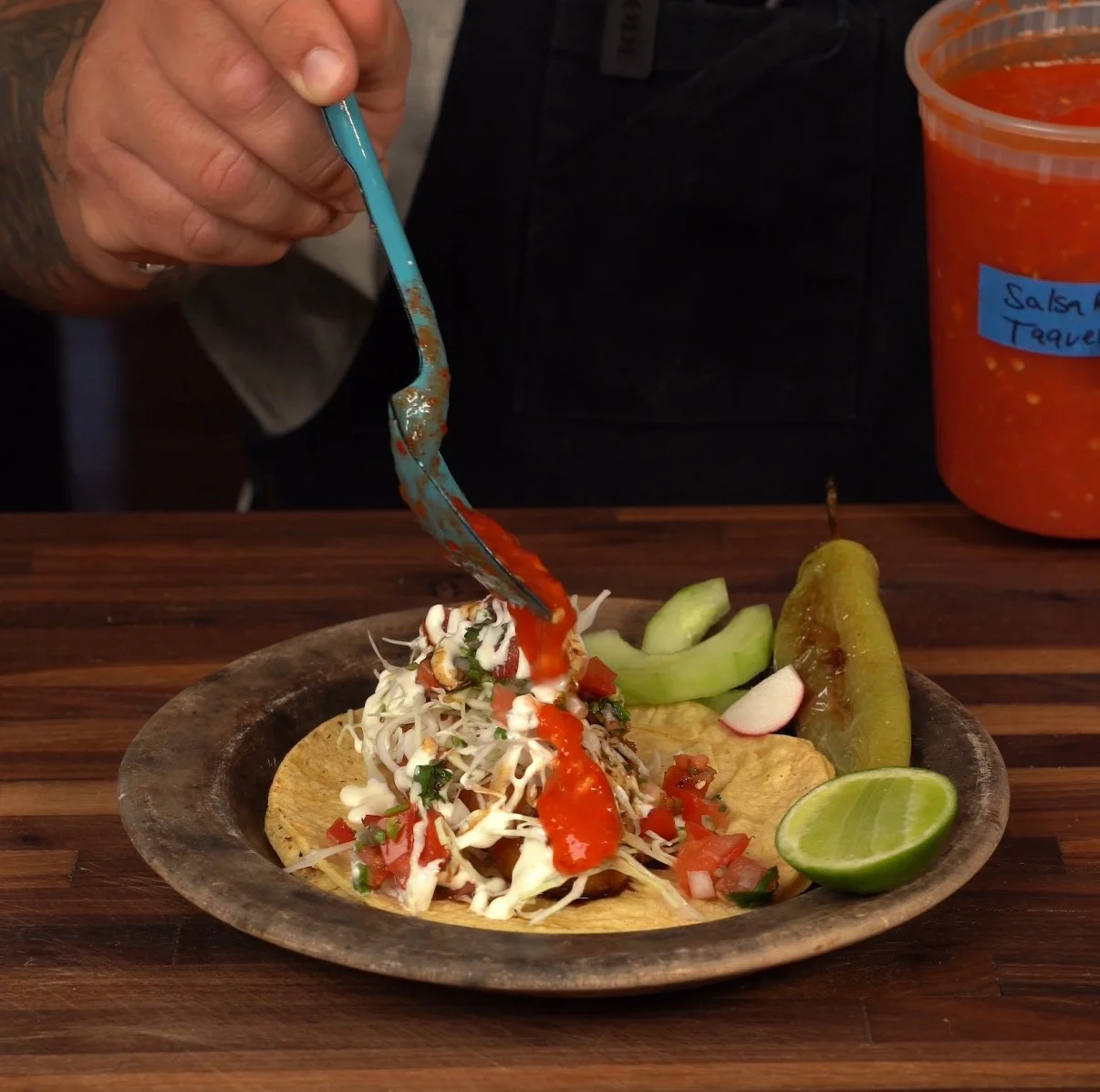
Unlock Taquería Flavor: Your Ultimate Fire-Roasted Salsa Roja
Imagine the rich, smoky aroma wafting from a bustling taquería, a tantalizing promise of authentic Mexican flavors. At the heart of many of these beloved dishes lies a secret weapon: an exceptional salsa roja. This isn't just any red sauce; it's a vibrant, multi-dimensional condiment that elevates everything it touches, from simple tortilla chips to elaborate grilled feasts. If you've been chasing that elusive, perfectly balanced homemade Authentic Salsa Roja: Smoky, Bright, and Easy Homemade, you're about to discover the magic of fire-roasting. Our guide will take you on a journey to master the art of creating a salsa roja that rivals your favorite Mexican eatery, brimming with smoky depth, a bright tang, and just the right amount of heat.
Why Your Kitchen Needs This Fire-Roasted Salsa Roja
There’s a clear distinction between a good salsa and a truly unforgettable one, and that difference often boils down to the roasting process. This isn't just about mixing ingredients; it's about transforming them, unlocking layers of flavor that simply can't be achieved otherwise. Here's why this particular salsa roja will become your go-to kitchen staple:
- Unparalleled Smoky Depth: Roasting tomatoes, onions, and chiles over an open flame or under a broiler induces the Maillard reaction, a culinary marvel that creates hundreds of new flavor compounds. This charring caramelizes natural sugars and imparts a profound, earthy smokiness that raw ingredients simply lack. It's the secret to that authentic taquería taste.
- Vibrant Freshness, Perfect Balance: While smokiness provides the backbone, fresh ingredients like cilantro and a squeeze of lime juice are the vibrant finishing touches. They cut through the richness, adding a zesty, herbaceous lift that makes every spoonful exciting and prevents the salsa from becoming too heavy.
- Customizable Kick for Every Palate: Whether you prefer a gentle warmth or a fiery blaze, this salsa is entirely yours to command. Easily adjust the heat by choosing your chiles—jalapeños offer a mild, approachable spice, while serranos deliver a more intense, sharp heat. Control the chile count and whether you leave in the seeds (where most of the capsaicin resides) to dial up or down the intensity to your personal preference.
- Beyond the Chip Bowl: Endless Culinary Applications: This versatile Homemade Salsa Roja: The Versatile Red Sauce for Any Dish is far more than just a dip. It’s an essential condiment for tacos, burritos, and quesadillas, a dynamic topping for grilled chicken or steak, and a bright accompaniment to scrambled eggs or huevos rancheros. You can even use it as a flavorful base for marinades or stews, proving its adaptability in countless dishes.
- Surprisingly Simple, Remarkably Rewarding: Despite its complex flavor profile, this restaurant-quality salsa roja requires only a handful of common ingredients and minimal hands-on time. You’ll be amazed at how quickly you can transform simple produce into a show-stopping sauce that tastes like it took hours.
Decoding the Deliciousness: What Defines Authentic Salsa Roja Flavor?
The allure of salsa roja lies in its intricate balance—a masterful interplay of smoky, tangy, spicy, and herbaceous notes that dance on your palate. To truly appreciate this culinary staple, it helps to understand the role each component plays in creating its signature taste profile:
- The Roasted Tomato Foundation: The base of any great red salsa is the tomato. When roasted, tomatoes undergo a magical transformation. Their natural sugars concentrate, intensifying their sweetness, while the charring process imparts a deep, slightly bittersweet smokiness. This is what gives salsa roja its characteristic richness and depth, moving far beyond the simple acidity of raw tomatoes.
- Savory Aromatics Transformed: Charred onions and garlic are crucial for building a robust savory backbone. Roasting mellows their sharp raw bite, infusing them with a caramelized sweetness and gentle warmth. This ensures they contribute depth and aroma without overpowering the delicate balance of the other ingredients.
- The Nuanced Dance of Heat: Fresh chiles are the lively heart of the salsa, providing a lingering, adaptable heat. Roasting softens their texture and can slightly mellow their raw pungency while retaining their essential spiciness. The type and quantity of chile, along with the decision to include seeds, dictate the precise level of kick, allowing for a personal touch.
- Earthy Undertones (Optional but Recommended): A hint of ground cumin is a secret weapon for adding an earthy, almost nutty dimension that grounds the brighter flavors and ties everything together. While not always present, it’s a subtle addition that can elevate your salsa roja to new heights of complexity.
- Bright Finish: Finally, fresh cilantro and a generous squeeze of lime juice are indispensable. Cilantro contributes a vibrant, citrusy herb note that lifts the entire sauce, while lime juice provides that essential tangy acidity, cutting through the richness and leaving a wonderfully fresh, zesty finish.
In essence, salsa roja is more than just "red sauce"—its literal translation from Spanish. In Mexican cuisine, it specifically denotes a rich, tomato-based salsa, almost always characterized by its roasted or charred ingredients, infused with chiles, garlic, and specific seasonings.
The Essential Ingredients for Your Signature Salsa Roja
Crafting exceptional salsa roja begins with selecting the right ingredients. Quality and freshness make all the difference, enhancing the final flavor and texture:
- Roma or Vine-Ripened Tomatoes: These are your best friends for salsa making. Roma tomatoes, also known as plum tomatoes, are preferred for their meaty flesh and lower water content, which means your salsa will be less watery and more flavorful. Vine-ripened varieties offer excellent sweetness. When roasted, they concentrate their natural sugars, adding that crucial smoky-sweet base. Look for firm, blemish-free tomatoes with a deep red color.
- White or Yellow Onion: A medium-sized onion, quartered, will contribute a savory sweetness when roasted. White onions are traditionally favored in Mexican cooking for their clean, crisp flavor, but yellow onions work beautifully too, lending a slightly richer caramelized note.
- Garlic Cloves: Don't underestimate the power of roasted garlic. When charred, garlic loses its raw harshness and develops a mellow, sweet, and nutty flavor that infuses the salsa with a gentle, aromatic depth. Aim for 3-5 cloves, peeled but left whole for roasting.
- Fresh Chiles (Jalapeño or Serrano): This is where you control the heat!
- Jalapeños: Offer a moderate, approachable heat. For a milder salsa, remove the seeds and membranes.
- Serranos: Pack a more intense, fiery punch. Use with caution if sensitive to spice.
You can also use a combination. Look for firm, vibrant green chiles without soft spots. Remember to wear gloves when handling chiles, especially when removing seeds, to prevent skin irritation. - Chopped Fresh Cilantro: This bright, citrusy herb is stirred in after blending, providing a crucial burst of freshness that lifts the entire flavor profile. Always use fresh cilantro; dried simply won't do.
- Fresh Lime Juice: The acidity of freshly squeezed lime juice is essential for balancing the richness of the roasted ingredients and adding a zesty finish. Bottled lime juice pales in comparison to the vibrant taste of fresh.
- Ground Cumin (Optional but Highly Recommended): Just a pinch of ground cumin can add an incredible earthy, warm undertone that complements the smoky flavors beautifully.
- Salt: The ultimate flavor enhancer. You'll add this to taste, bringing all the delicious elements into perfect harmony.
Mastering the Fire: Key Techniques for Taquería-Quality Salsa Roja
The "fire-roasted" element is what truly sets this salsa roja apart. Achieving that perfect char and flavor transformation requires a few key techniques. Don't be intimidated; these methods are surprisingly simple and incredibly rewarding:
- Choose Your Roasting Method:
- Oven Broiler: This is often the easiest and most accessible method. Arrange your tomatoes, onions, garlic, and chiles on a baking sheet. Broil on high, turning periodically, until the skins are blackened and blistered, and the vegetables are softened. This usually takes 10-15 minutes.
- Stovetop (Comal or Cast Iron Skillet): For an even more authentic char, a dry cast iron skillet or traditional comal (a flat griddle) works wonderfully. Place vegetables directly on the hot surface over medium-high heat, turning frequently until well charred on all sides. This method can impart a deeper, more direct smoky flavor.
- Outdoor Grill: If you're already firing up the grill, throw your salsa ingredients directly on the grates! This delivers the most intense smoky flavor, especially if using charcoal or wood chips.
- Achieving the Perfect Char: Don't be afraid of blackened spots! These are flavor bombs. Ensure your vegetables are softened through before removing them from the heat. The garlic cloves should be tender and fragrant, not burnt to a crisp. If using a broiler, keep a close eye on them, as they can go from perfectly charred to burnt very quickly.
- The Art of Blending: Once cooled slightly, transfer your roasted vegetables (including any accumulated juices) to a blender or food processor.
- For a Chunky Salsa: Pulse just a few times until the desired consistency is reached. You want discernible pieces of tomato and chile.
- For a Smoother Salsa: Blend for a longer duration, but avoid over-blending to a completely smooth purée, as a little texture is often preferred for salsa roja.
- Traditional Method (Molcajete): For the most authentic texture and flavor, a molcajete (Mexican mortar and pestle) is ideal. Grind the ingredients in stages, starting with chiles and garlic, then adding tomatoes and onion. This method yields a coarser, more rustic salsa.
- Seasoning to Perfection: This is a crucial step. After blending, stir in your fresh cilantro, lime juice, ground cumin (if using), and salt. Taste the salsa. Does it need more salt? More tang? More heat? Adjust gradually until the flavors sing in harmony. A common mistake is not adding enough salt, which can make the salsa taste flat.
- Cooling and Resting: While tempting to dive in immediately, allowing your salsa roja to cool and rest for at least 30 minutes (or even better, a few hours in the refrigerator) allows the flavors to meld and deepen. The initial spiciness can also mellow slightly, making for a more balanced experience.
Creating your own fire-roasted salsa roja is an incredibly rewarding culinary experience. It's a journey from simple garden produce to a complex, vibrant sauce that encapsulates the very essence of authentic Mexican flavor. With these tips and techniques, you’re not just making salsa; you’re unlocking a world of delicious possibilities, bringing the irresistible taste of your favorite taquería directly to your home kitchen. So gather your ingredients, fire up your broiler or skillet, and prepare to elevate your meals with this ultimate red sauce. Enjoy!
