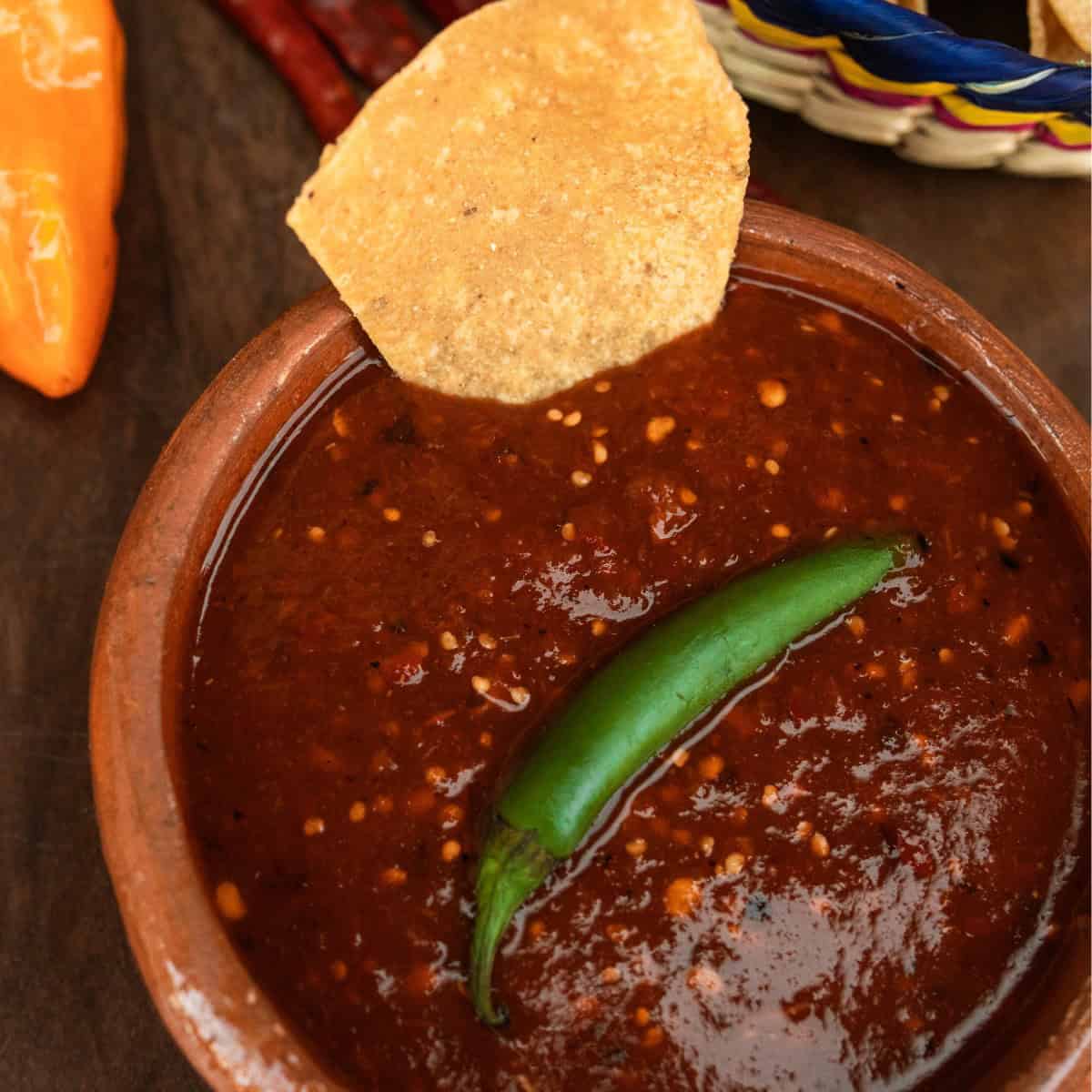
Imagine a vibrant red sauce, bursting with a harmonious blend of smoky depth, zesty brightness, and a customizable kick. This isn't a mere condiment; it's an experience, a cornerstone of Mexican cuisine that elevates everything it touches. For years, many of us have chased that elusive, perfectly balanced salsa roja – the kind found in authentic taquerías, vibrant enough to make simple tortilla chips sing, and robust enough to transform a meal. The good news? Mastering this culinary quest is far simpler than you might think, and the rewards of a truly homemade salsa roja are immeasurable.
Far superior to its store-bought counterparts, homemade salsa roja offers unparalleled freshness, flavor control, and the satisfying warmth of creating something incredible from scratch. This isn't just a recipe; it's an invitation to unlock authentic flavors, making it the ultimate versatile red sauce for any dish in your repertoire.
Why Homemade Salsa Roja Reigns Supreme
Diving into the world of homemade salsa roja is a revelation. It transforms ordinary meals into extraordinary culinary adventures with its complex yet accessible flavors. Here's why making your own truly stands out:
Unmatched Flavor Profile
- Smoky Depth: This is the secret weapon. Roasting your tomatoes, onions, and chiles isn't just a step; it's a flavor enhancer. The charring caramelizes natural sugars, creating a rich, profound smokiness that permeates every spoonful. This depth is simply unattainable with raw ingredients or jarred sauces.
- Fresh Brightness: While smoke provides the backbone, fresh ingredients like a generous squeeze of lime juice and a handful of chopped cilantro inject a vibrant, zesty counterpoint. These herbaceous, citrusy notes cut through the richness, leaving your palate refreshed and eager for more.
- Customizable Heat: One of the greatest advantages of making salsa roja at home is the power to control its spice level. Opt for milder jalapeños for a gentle warmth, or crank up the heat with fiery serrano peppers. You can further adjust the intensity by removing or leaving in the chile seeds and ribs – where much of the capsaicin resides.
- Earthy Undertones: A whisper of ground cumin provides an essential earthy, almost nutty foundation, tying all the robust flavors together. Consider adding a pinch of dried Mexican oregano for an even more authentic aromatic layer.
Incredible Versatility
The beauty of a well-crafted salsa roja lies in its adaptability. It’s far more than just a dip for chips. This sauce is a culinary chameleon, ready to elevate almost any dish. Beyond the obvious taco and burrito nights, think about drizzling it over scrambled eggs, enriching a pot of beans, or using it as a vibrant base for enchiladas or chilaquiles. It pairs exceptionally well with grilled meats, offering a piquant contrast that brightens and tenderizes. For those looking to master grilled delicacies, learning to create this sauce is a step towards unlocking authentic taquería flavor. To truly enhance your grilling game and explore how this sauce complements various proteins, you might find valuable insights in Unlock Taquería Flavor: Your Ultimate Fire-Roasted Salsa Roja.
Surprisingly Simple & Quick
Despite its sophisticated flavor, preparing homemade salsa roja is remarkably straightforward. With a handful of fresh ingredients and minimal prep time, you can achieve restaurant-quality results in under 20 minutes. The process is intuitive, allowing even novice cooks to achieve a delicious, vibrant sauce that tastes like it took hours of effort.
The Symphony of Flavors: What Defines a Great Salsa Roja?
A truly exceptional salsa roja strikes a magnificent balance, creating a multi-dimensional flavor experience that keeps you coming back for more. It’s a delicate dance between bold and subtle notes, each ingredient playing a crucial role in the final symphony.
- Roasted Tomatoes: The Sweet & Tangy Core. The foundation of any red sauce, tomatoes (ideally Roma or vine-ripened) transform under heat. Roasting them concentrates their natural sugars, mellows their acidity, and imbues them with that signature deep, slightly sweet char. This caramelization is key to the salsa's inherent richness.
- Caramelized Onions & Garlic: The Savory Warmth. When roasted alongside the tomatoes, onions soften and sweeten, contributing a savory depth without overpowering the other ingredients. Garlic, mellowed by the heat, adds a gentle pungency and an irresistible warmth that underpins the entire sauce.
- Fresh Chiles: The Lively Kick. Whether you choose jalapeños for a mild, verdant spice or serranos for a more assertive, fiery punch, fresh chiles are indispensable. Roasting them softens their raw "green" edge, allowing their fruity notes to emerge alongside their heat. The lingering warmth they provide is crucial to the salsa's character.
- Cilantro & Lime: The Zesty Counterpoint. These two ingredients are the bright sparks that cut through the richness. Fresh cilantro introduces a vibrant, almost citrusy herbaceousness, while a generous squeeze of fresh lime juice adds a crucial tangy acidity that lifts and freshens every bite, preventing the sauce from becoming too heavy.
- Cumin: The Earthy Anchor. A hint of ground cumin is often the unsung hero, providing a subtle, earthy, and slightly nutty undertone that adds complexity and a quintessential Mexican flavor profile, grounding the brighter notes.
The result is a sauce that is simultaneously smoky, tangy, spicy, and herbaceous – an irresistible complement that adds zest and life to any dish.
Essential Ingredients for Your Signature Salsa Roja
Crafting your perfect salsa roja starts with selecting high-quality, fresh ingredients. While the list is simple, understanding the role of each component and employing a few pro tips will elevate your sauce from good to spectacular.
- Tomatoes: The Heart of the Roja.
- Choice: Opt for Roma or vine-ripened tomatoes. Their meaty texture and lower water content make them ideal for roasting, as they caramelize beautifully without becoming too watery.
- Pro Tip: Don't shy away from good quality canned whole peeled tomatoes (like San Marzano style) if fresh, ripe tomatoes are out of season. You can still roast them lightly under the broiler or pan-char them to introduce smoky notes.
- White or Yellow Onion: The Savory Backbone.
- Choice: Either white or yellow onions work wonderfully. Quartering them allows for even roasting and caramelization.
- Pro Tip: A good char on the onion contributes significantly to the savory depth.
- Garlic Cloves: The Aromatic Mellow.
- Preparation: Keep them peeled and whole for roasting. Roasting garlic mellows its sharp pungency, transforming it into a sweet, earthy aroma that infuses the salsa with gentle warmth.
- Fresh Chiles (Jalapeño or Serrano): The Heat Factor.
- Choice: Jalapeños offer a medium, accessible heat with a fresh, green pepper flavor. Serranos pack a much greater punch and are for those who prefer a spicier salsa.
- Control the Heat: For less heat, remove the seeds and white membranes (ribs) before roasting. For more heat, leave them in. Roasting them also helps soften their texture and reduce any raw, grassy flavor.
- Fresh Cilantro: The Bright Finisher.
- When to Add: Stirred in after blending, cilantro adds a burst of fresh, citrusy, herbaceous flavor that brightens the entire salsa.
- Pro Tip: Always use fresh cilantro; dried simply won't yield the same vibrant effect.
- Lime Juice: The Essential Tang.
- Non-Negotiable: Freshly squeezed lime juice is crucial for balancing the richness and adding a vital tang. Bottled lime juice pales in comparison.
- Salt: The Flavor Enhancer.
- Importance: Essential for bringing out and enhancing all the other flavors. Taste and adjust carefully.
- Ground Cumin: The Earthy Undercurrent.
- Quantity: A small amount goes a long way. It provides a warm, earthy depth characteristic of authentic Mexican cuisine.
For an even more authentic approach to balancing these vibrant ingredients and achieving a truly unparalleled taste, exploring variations and techniques can be incredibly rewarding. Consider diving deeper into the nuances of crafting this essential sauce by consulting resources like Authentic Salsa Roja: Smoky, Bright, and Easy Homemade.
Mastering the Roasting Process: The Secret to Depth
The magic of homemade salsa roja largely hinges on one crucial step: roasting your vegetables. This isn't just about cooking them; it's about transforming their flavor through caramelization and charring. The Maillard reaction creates complex new flavors, while the smoky notes become an integral part of the sauce's identity.
There are a few excellent methods for achieving that perfect roast:
- Oven Roasting (Easiest & Most Consistent):
- Preheat your oven to a high temperature, around 400-425°F (200-220°C).
- Toss your whole tomatoes, quartered onion, peeled garlic cloves, and fresh chiles with a little olive oil on a baking sheet.
- Roast for 15-25 minutes, flipping halfway through, until the vegetables are softened, slightly collapsed, and have developed nice charred spots. The garlic will roast quicker, so keep an eye on it and remove if it's getting too dark.
- Broiler (Quicker & More Intense Char):
- Place your prepared vegetables on a baking sheet and position it 4-6 inches from the broiler element.
- Broil for 5-10 minutes, turning frequently, until the skins are blackened and blistered. This method requires constant vigilance to prevent burning.
- Stovetop Comal or Cast Iron Skillet (Traditional & Rustic):
- Heat a dry cast iron skillet or comal over medium-high heat.
- Place the vegetables directly on the hot surface, turning them every few minutes.
- Cook until they are softened and evenly charred on all sides. This method imparts a particularly authentic, rustic smoky flavor.
Pro Roasting Tips:
- Embrace the Char: Don't be afraid of blackened spots! That char is where much of the smoky flavor comes from.
- Don't Over-Roast: While char is good, completely incinerating your vegetables can lead to bitterness. Aim for blackened spots, but ensure the vegetables are still somewhat tender.
- Cool Before Blending: Allow your roasted vegetables to cool slightly before transferring them to a blender or food processor. This prevents steam buildup, which can lead to a watery, less vibrant salsa.
Conclusion
Embarking on the journey to create your own homemade salsa roja is a deeply rewarding culinary experience. It's an opportunity to connect with the vibrant traditions of Mexican cuisine, transforming simple ingredients into a complex, multi-layered sauce that truly sings. From the smoky depth imparted by perfectly roasted vegetables to the bright, zesty notes of fresh lime and cilantro, every element contributes to a condiment that is far more than the sum of its parts.
This versatile red sauce is a testament to the power of fresh ingredients and simple techniques, proving that restaurant-quality flavor is well within reach of your home kitchen. So, gather your ingredients, fire up the oven, and prepare to elevate your meals with the irresistible charm of a truly authentic, homemade salsa roja. Your taste buds will thank you.
